




Introduction
Board members today are no longer debating whether climate risks matter – they are asking which risks, when, and by how much. From unprecedented floods and wildfires to shifting regulatory landscapes and rising lawsuits, signals abound that physical, transition, and litigation risks are converging in ways that could materially impact companies’ long-term value. For boards that want to stay ahead, 2025 is a pivotal year: the signals are clearer, data is improving, and the cost of being caught unprepared is skyrocketing.
Understanding the Three Major Climate Risk Categories
Physical Risks: Acute vs Chronic Events
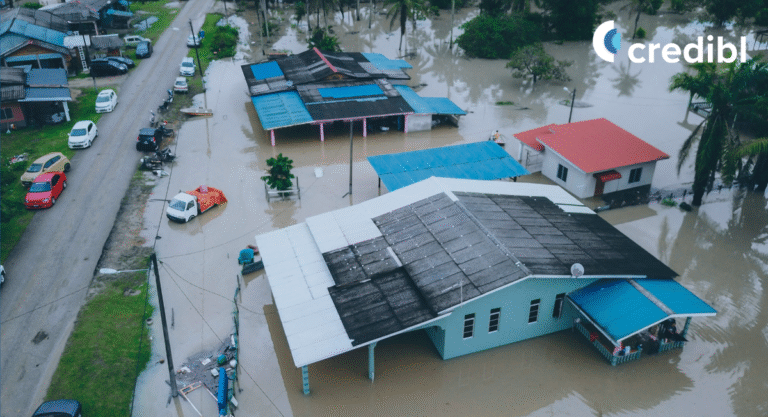
Physical climate risks arise from environmental changes caused by climate change. They can be acute (e.g., extreme weather events such as hurricanes, floods, wildfires) or chronic (gradual shifts such as sea-level rise, extreme heat, altered precipitation patterns). The Canadian public investment fund CPP-Investments notes that in 2024, losses from floods and wildfires alone exceeded US$400 billion, with more frequent and severe events in countries such as Greece and across South Asia disrupting power, agriculture, and healthcare systems. CPP Investments
Transition Risks: Policy, Technology, Market, Reputation
Transition risk covers the financial and strategic risks companies face as the global economy shifts toward lower carbon. Key sub-types include changes in regulation (carbon taxes, emissions limits), technological disruption (renewables outcompete fossil fuels), market changes (consumer demand, supply chains), and reputational risk. The U.S. EPA defines transition risk as risks related to how fast an organization adapts to internal and external pressures to reduce greenhouse gas emissions. US EPA
Litigation Risk: Growing Exposure for Disclosures & Misrepresentation
Litigation risk is increasingly recognized as a material climate risk. Lawsuits are being brought not only over environmental damage, but over failure to disclose climate risks, alleged misrepresentation (“greenwashing”), or failing to take adaptation measures required by law or regulation. Experts report that market actors now consider climate litigation financially material, with banks and investors exposed both directly and through their clients. Green Central Banking
Key Signals & Metrics, Boards Must Monitor in 2025
To make climate risks actionable rather than abstract, boards should track specific leading signals and metrics.
Physical Signals
- Frequency & severity of extreme weather events (storms, floods, heatwaves): e.g., global insured losses rising, sudden power or infrastructure disruptions.
- Damage & economic losses: from both acute events and chronic effects like rising sea levels or heat stress. For example, Mexico’s Central Bank has estimated that under current policy scenarios, chronic physical risks might lead to economic losses exceeding 35% of Mexico’s GDP by 2100, depending on warming and mitigation pathways. arXiv
- Insurance market signals: rising premiums, withdrawal of coverage in high-risk zones.
Transition Signals
- Carbon pricing & regulatory policy shifts: new or increased carbon taxes, emissions regulation tightening.
- Technology adoption rates: the pace at which clean energy or low-carbon technologies are replacing older ones.
- Market behavior: shifts in consumer preferences, changes in supply chain carbon intensity.
- Energy mix metrics: shares of renewables vs fossil fuels; investment in clean energy R&D.
Litigation Signals
- Number & scale of climate litigation cases: both government and private suits.
- Regulatory developments requiring disclosure (for example, new laws or enforcement actions targeting misrepresentation).
- Board & company exposure: how much of business depends on fossil fuels, how well disclosures are aligned with scientific and regulatory expectations.

Recent Research & Case Studies
FSB’s Framework for Financial Stability Vulnerabilities
In January 2025, the Financial Stability Board (FSB) published a framework and toolkit aimed at assessing climate-related vulnerabilities across physical and transition risks, especially for the financial system. It includes metrics to monitor early signals (proxied exposure), and tools to quantify impacts on credit, market, liquidity risks across sectors and geographies. Financial Stability Board
CPP Investments on Physical Risk Losses
CPP Investments’ 2025 report highlights how losses in 2024 were extreme, driven by natural disasters and climate-amplified events: floods, wildfires, heat-waves. These raise the question: is physical risk now catching up or even overtaking transition risk in terms of materiality? The report shows a strong investor emphasis shifting toward physical risk assessment. CPP Investments
Litigation Becoming Financial Material
Grantham Research Institute’s latest climate litigation snapshot finds that market actors increasingly view litigation risk as financially material. Banks in particular are under pressure from direct exposure and via clients; large-scale judgments could create cascading risks for financial capital. Green Central Banking
Integrating These Signals into Board Oversight
Data, Reporting & Scenario Analysis
Boards should ensure that management is using climate scenario analysis (e.g., 1.5°, 2.0°, 3.0° pathways), with both short-term and long-term horizons. Data quality is critical: physical risk mapping, supply chain carbon intensity, regulatory exposure.
Risk Appetite, Strategy & Capital Allocation
Boards must consider how much climate risk the firm can tolerate, and ensure capital allocation (CAPEX, R&D) reflects transition and physical risk. For example, investing in adaptation (flood defenses, resilient infrastructure) may be expensive now—but cheaper than damage later.
Disclosure, Assurance & Governance Roles
Transparent disclosure aligned with frameworks (e.g. TCFD, ISSB etc.), third-party assurance, board oversight via dedicated committees or risk officers. Boards should also monitor litigation risks: legal counsel evaluation, climate litigation trends, their potential exposure.
Also, this ties into platforms for climate risk reporting — boards should consider which tools or frameworks they use to disclose or report. Here’s a link to internal analysis of top platforms you need to know about.
Why Boards That Lead on Climate Risk Win
Mitigated Losses & Lower Insurance Costs
Proactive risk management—anticipating physical risk, investing in resilience, adapting operations—helps reduce claims, losses, and insurance premiums.
Investor, Regulator, Public Trust & Access to Capital
Institutions that disclose transparently are better placed to secure ESG-focused capital, win regulatory favor, and sustain public and customer trust.
Reduced Litigation & Reputational Risk
Strong disclosure, well-documented strategy, and evidence of risk management reduce exposure to lawsuits alleging misrepresentation, greenwashing, or failing to adapt to known risks.

Conclusion
Boards that pay attention to physical, transition, and litigation signals are not just managing risk—they are unlocking opportunity. In 2025, those three dimensions are becoming deeply intertwined: physical impacts increase regulatory and litigation pressure; transition dynamics shape markets and capital flows; and litigation is both a consequence and an amplifier of failure to disclose or act.
If your board isn’t already scanning for these signals, you risk blind spots that could threaten valuation, reputation, license to operate—and even survival.
Credibl helps boards stay ahead by enabling systematic tracking of climate risks: physical risk mapping, transition risk indicators, litigation exposure metrics, aligned with global frameworks, with reporting tools you can trust.
Are you ready to make climate risks visible and manageable at the board level? Book a demo to integrate physical, transition, and litigation risk dashboards into your governance process.
FAQS
Q1: What are physical climate risks, and why do they matter for boards?
A: Physical climate risks include acute events (storms, wildfires, floods) and chronic shifts (sea-level rise, heat, changing precipitation). They matter because they directly affect operations, supply chains, infrastructure, insurance costs, asset valuations, and long-term business continuity.
Q2: How do transition risks differ from physical risks?
A: Transition risks arise from the shift to a lower-carbon economy: regulatory changes (carbon taxes, emission mandates), technology shifts, changing consumer behaviour, and reputational risk. They can lead to stranded assets, increased costs, or shifts in competitive dynamics. Physical risk is about tangible environmental changes and their impacts.
Q3: Why is litigation risk now a major concern for corporations?
A: Because courts and regulators are increasingly holding companies accountable for misrepresentation of climate risks, for failing to adapt, or failing to disclose material climate exposure. Legal actions can lead to fines, damages, forced changes, and reputational harm. Boards need oversight of litigation exposure as part of risk management.
Q4: Which metrics or signals should boards prioritize tracking first?
A: Key signals include: trends in extreme weather frequency & loss magnitude; regulatory and policy changes (new laws, carbon pricing); market/technology transitions; disclosure requirements and enforcement activity; and insurance market signals (premiums, coverage). Scenario analysis and forward-looking metrics are essential.
Q5: How can boards ensure their company disclosures are robust and credible?
A: Use recognized frameworks (e.g. TCFD, ISSB), ensure data quality, get third-party assurance, integrate climate risk into governance and audit committees, and build internal capacity (risk, compliance, legal). Also, monitor litigation trends and ambiguity in laws/disclosure requirements.